“Closing Our Married to Medicine Chapter and Entering The Real Housewives Era”
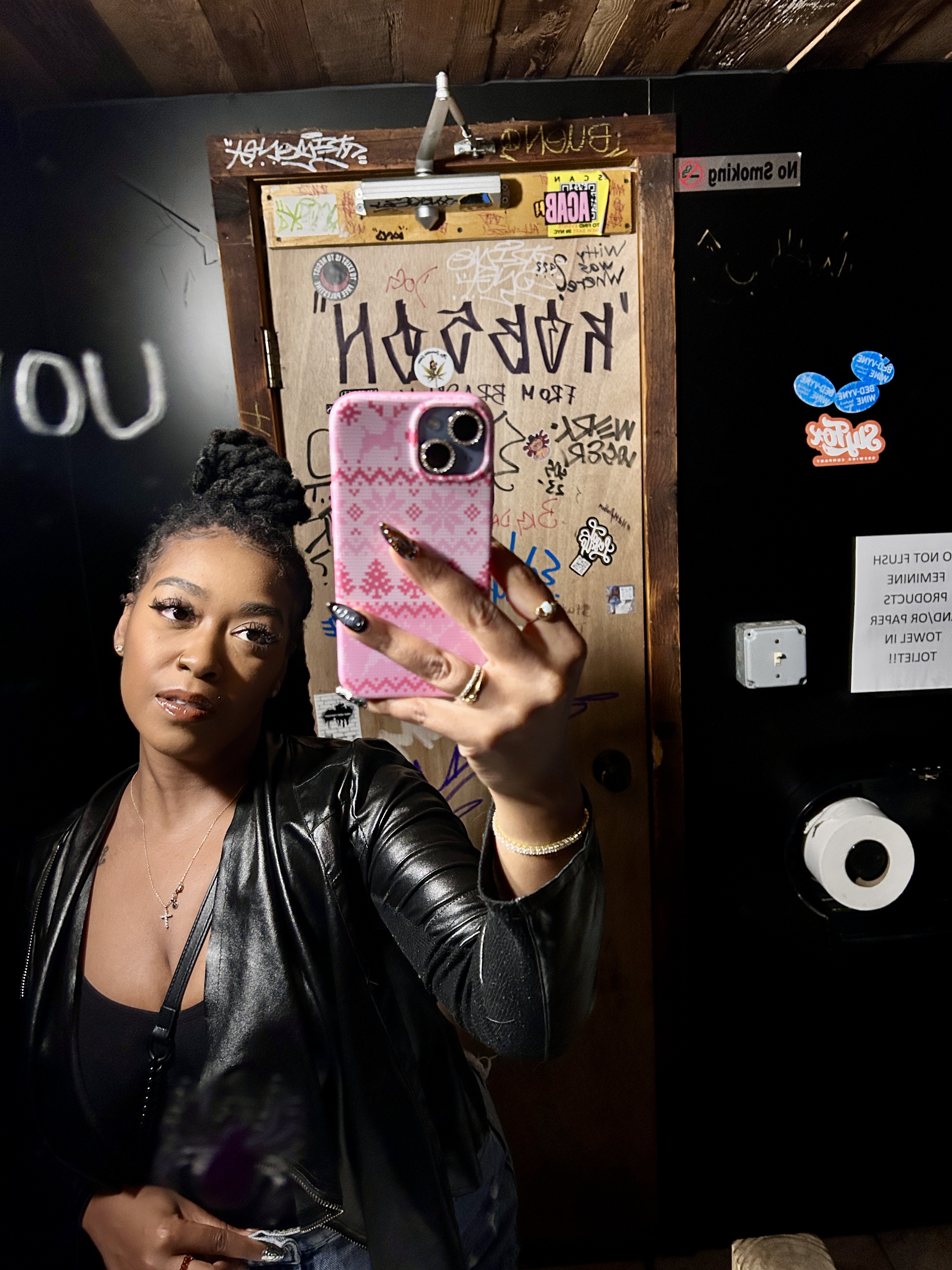
Welcome back to In Session with @ayanab_, where we unpack relationship dynamics through a therapy lens using what we see on reality TV.
This one is layered.
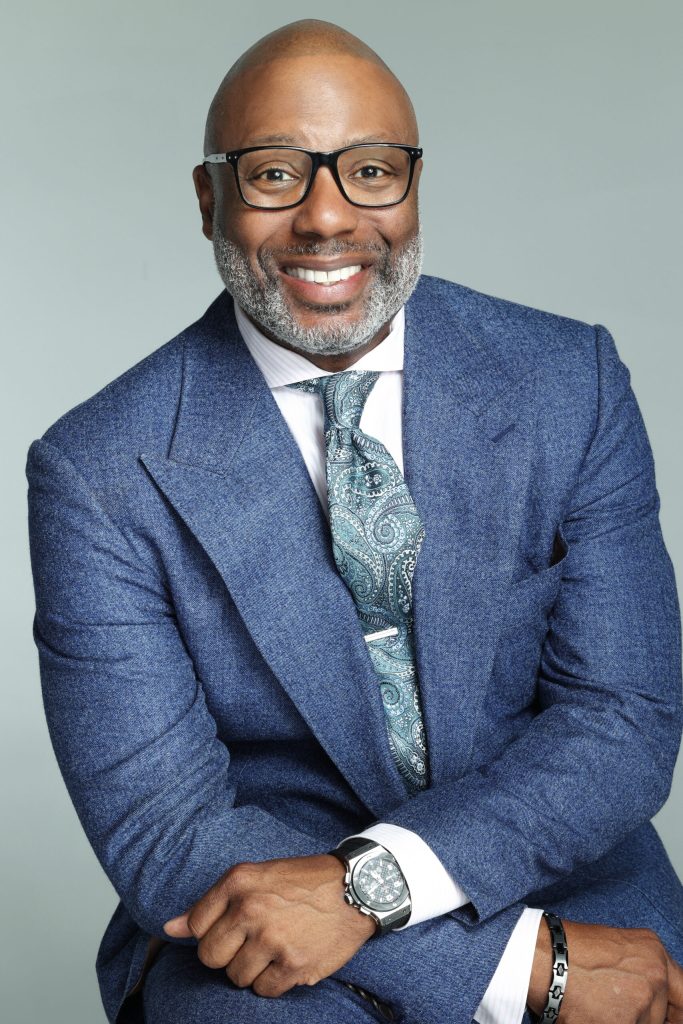
Because when we talk about Dr. Gregory Lunceford from Married to Medicine, we cannot just talk about personality.
We have to talk about control.
We have to talk about emotional safety.
We have to talk about power.
And most importantly, we have to talk about how those things shape relationships.
When Control Becomes the Foundation
In his relationship dynamics, there have been consistent themes of authority, rigidity, and needing to maintain control.
On the surface, control can look like leadership.
It can look like decisiveness.
It can look like structure.
But in intimate relationships, control without emotional safety creates fear instead of connection.
And that is where things shift.
🧠 Who He Presents As
Dr. Gregory often presents as:
Authoritative
Confident
Opinionated
Structured
Firm in his beliefs
There is a clear sense of hierarchy in how he approaches relationships.
But partnership is not hierarchy.
It is collaboration.
🔍 What I Notice
Looking at the dynamic, several patterns stand out:
A need to direct conversations
Difficulty tolerating being challenged
Defensiveness when confronted
Emotional reactions when power feels threatened
When one partner consistently positions themselves above the other, the relationship dynamic becomes imbalanced.
And imbalance erodes emotional safety.
🧠 Therapist Take
From an MFT perspective, emotional safety is the foundation of any healthy relationship.
Emotional safety means:
I can speak without fear
I can disagree without punishment
I can express myself without being diminished
When control becomes dominant in a relationship, the other partner may begin to shrink.
They may withhold.
They may comply.
They may explode after prolonged suppression.
Power dynamics are not always loud.
Sometimes they are subtle.
But they are always felt.
And when one person consistently holds more emotional power, the relationship becomes fragile.
💭 What Might Be Underneath
Control often grows out of fear.
Fear of losing authority.
Fear of being disrespected.
Fear of vulnerability.
Fear of abandonment.
For some people, staying in control feels safer than being emotionally exposed.
But control does not build intimacy.
It builds distance.
Because intimacy requires equality.
❤️ Real Life Reflection
This is not just about one person on television.
This shows up in everyday relationships.
Ask yourself:
Do I feel safe expressing disagreement in my relationship?
Do I feel heard, or managed?
Do I feel like an equal?
And if you are the one who tends to lead with control:
What am I afraid would happen if I softened?
Because real partnership is not about winning.
It is about creating a space where both people feel secure.
📝 Journal With Me
In my closest relationships, do I prioritize control or connection?
What does emotional safety mean to me?
Have I ever confused authority with respect?
✨ Final Thoughts from @ayanab_
Dr. Gregory’s dynamic reminds us that power without emotional safety is not strength.
It is instability.
Healthy love is not about dominance.
It is not about hierarchy.
It is about mutual respect, emotional regulation, and shared power.
Because the safest relationships are not the ones where one person leads.
They are the ones where both people feel free.


Leave a Reply