Welcome back to In Session with @ayanab_, where we break down relationship patterns through a therapy lens using what we see on reality TV.
So far we have talked about emotional distance, communication, and financial conflict.
Now let’s get into a personality that stands out every single time.
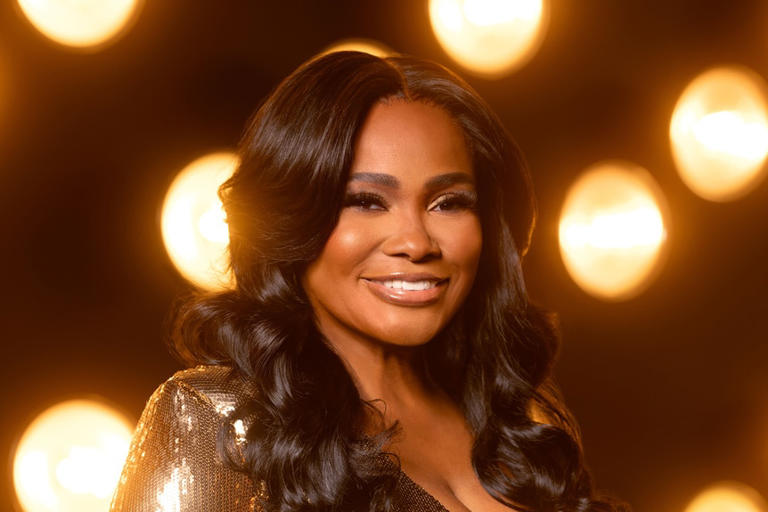
Dr. Heavenly from Married to Medicine.
Dr. Heavenly and the Line Between Honesty and Harm
Dr. Heavenly is bold, unfiltered, and very clear about how she feels.
She says what she wants, when she wants, and how she wants.
And depending on who you ask, that is either refreshing… or a lot.
Because while she often claims she is just being honest, her delivery can come across as harsh, critical, and sometimes hurtful.
So it brings up a real question:
When does honesty stop being helpful and start becoming a defense?
🧠 Who She Is On the Surface
Dr. Heavenly presents as:
Blunt
Dominant
Confident
Quick to speak
Unapologetic
She often takes control in conversations and does not shy away from confrontation.
In many ways, she leads with power.
🔍 What I Notice
Looking at her interactions, a few patterns stand out:
She uses humor and shade to communicate criticism
She can become verbally aggressive in conflict
She often doubles down instead of softening
Apologies, when they happen, can feel indirect or delayed
There is also a pattern of speaking first and processing later.
And while she may not intend to hurt people, the impact of her words often creates distance in her relationships.
🧠 Therapist Take
From an MFT perspective, this can point to defense mechanisms at play.
Bluntness can sometimes be a form of protection.
If I say it first, I cannot be caught off guard.
If I stay in control, I do not have to feel vulnerable.
If I make it a joke, I do not have to sit in the emotion.
What looks like dominance can sometimes be a way to avoid emotional exposure.
Because vulnerability requires slowing down, softening, and allowing yourself to be seen without armor.
And that can feel uncomfortable.
💭 What Might Be Underneath
When someone leads with intensity and control, there is often more beneath the surface.
It can be tied to:
A fear of being disrespected
A need to stay in control of the narrative
Difficulty sitting with vulnerable emotions
Learned communication patterns where softness was not modeled
So instead of saying:
That hurt me
It can come out as:
Let me say something first before you do
And that shift changes how the message is received.
❤️ Real Life Reflection
A lot of people relate to this more than they think.
Especially if you grew up feeling like you had to be strong, quick, or protective of yourself.
You might say:
I am just being real
I am just being honest
But honesty without care can still create harm in relationships.
So the real question is:
Is your delivery protecting you, or is it pushing people away?
Because you can be honest and still be gentle.
You can be direct and still be safe to communicate with.
📝 Journal With Me
When I am upset, how do I usually express it?
Do I lead with honesty or do I lead with protection?
What would it look like for me to communicate the same message with more softness?
✨ Final Thoughts from @ayanab_
Dr. Heavenly reminds me that not all strong communication is healthy communication.
Being loud, dominant, or quick with your words does not always mean you are being understood.
Sometimes it just means you are being guarded.
And real growth is not about losing your voice.
It is about learning how to use it in a way that builds connection instead of breaking it.


Leave a Reply